Pediatric kidney diseases refer to a group of conditions that affect the kidneys of infants, children, and adolescents. These conditions can range from mild infections to serious disorders that impact a child’s growth and overall health. Early diagnosis and proper treatment are crucial to prevent long-term complications.
What Are Pediatric Kidney Diseases?
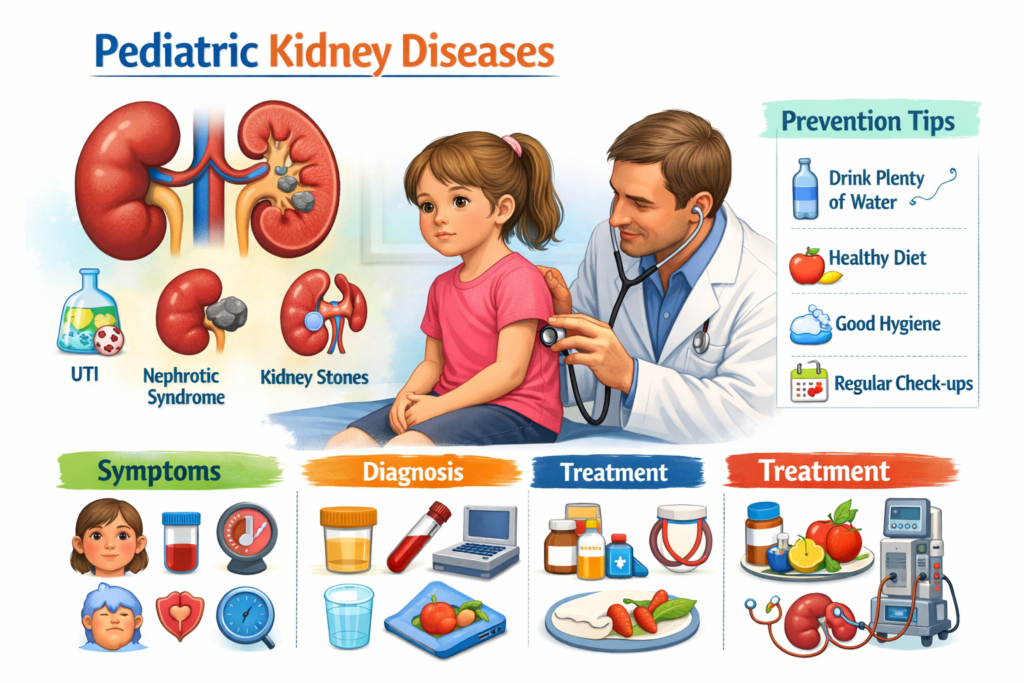
Kidneys play a vital role in filtering waste, balancing fluids, and maintaining healthy blood pressure. When a child’s kidneys are not functioning properly, it can lead to various health issues. Common pediatric kidney diseases include urinary tract infections (UTIs), nephrotic syndrome, kidney stones, and congenital abnormalities.
Common Causes
Pediatric kidney diseases can occur due to several reasons, including:
- Genetic factors: Some children are born with kidney abnormalities.
- Infections: Bacterial infections like UTIs can affect kidney function.
- Immune system disorders: Conditions where the immune system attacks the kidneys.
- Poor hydration or diet: Can contribute to kidney stones or infections.
Symptoms to Watch For
Recognizing symptoms early can help in timely treatment. Some common signs include:
- Swelling in the face, hands, or feet
- Frequent or painful urination
- Blood in urine
- High blood pressure
- Fatigue or poor appetite
- Slow growth in children
If your child shows any of these symptoms, it’s important to consult a healthcare professional immediately.
Diagnosis and Tests
Doctors use several methods to diagnose kidney diseases in children:
- Urine tests: To detect infections or protein levels
- Blood tests: To check kidney function
- Ultrasound: To examine kidney structure
- Biopsy: In severe cases, a small sample of kidney tissue is tested
Early diagnosis helps in managing the condition effectively and preventing further damage.
Treatment Options
Treatment depends on the type and severity of the disease. Common approaches include:
- Medications: Antibiotics for infections, steroids for immune-related conditions
- Diet changes: Low-salt or special diets to support kidney health
- Hydration: Ensuring the child drinks enough fluids
- Surgery: In cases of structural abnormalities
- Dialysis or transplant: For severe kidney failure
Proper medical care and regular follow-ups are essential for managing pediatric kidney conditions.
Prevention Tips
While not all kidney diseases can be prevented, certain steps can reduce risk:
- Encourage children to drink plenty of water
- Maintain good hygiene to prevent infections
- Provide a balanced diet
- Avoid excessive salt and processed foods
- Schedule regular health checkups
Conclusion
Pediatric kidney diseases can significantly impact a child’s health if not addressed early. Understanding the symptoms, causes, and treatment options can help parents take timely action. With proper care, most children with kidney conditions can lead healthy and active lives.
If you suspect any kidney-related issues in your child, seek medical advice without delay to ensure the best possible outcome.